

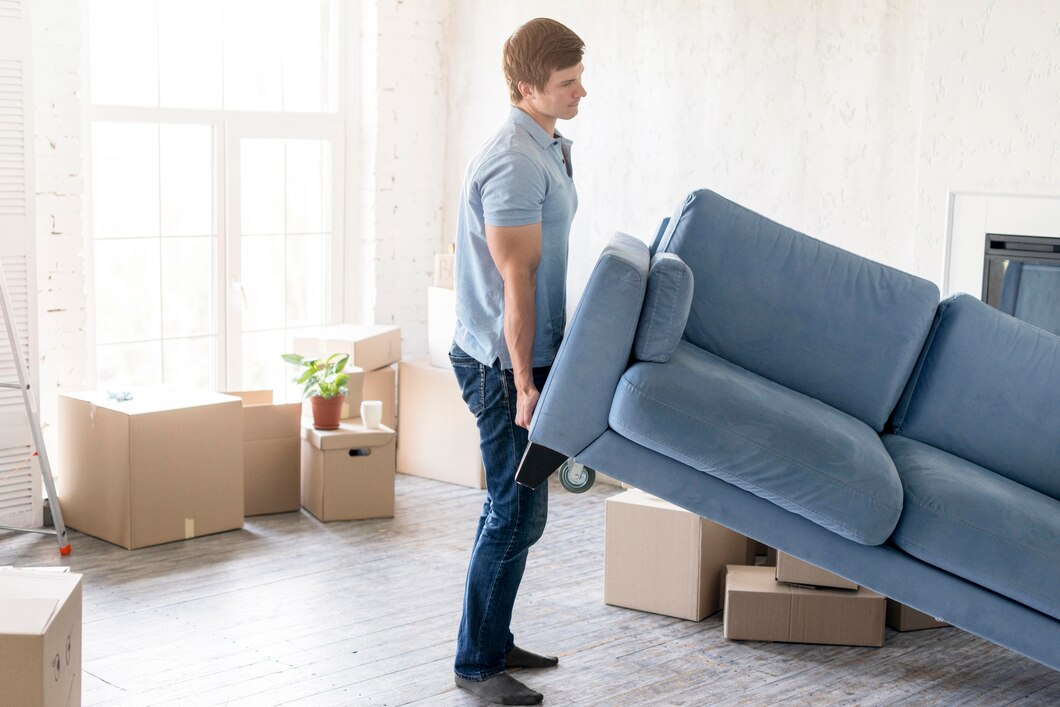
Moving to a new location can be exciting, but transporting large household items across long distances often creates unexpected challenges. Many people rely on professional furniture removalists in Ballarat, Victoria residents trust because long-distance relocations involve more than simply loading items into a truck. Furniture can become scratched, weakened, broken, or difficult to handle if proper precautions are not taken before and during the move.
Large lounges, dining tables, wardrobes, mattresses, and fragile timber furniture all require careful preparation. Long travel times, changing weather conditions, rough roads, and repeated lifting can place pressure on furniture and increase the risk of damage. Planning ahead and using safe handling methods can make the entire relocation smoother and help protect both belongings and personal safety.
Plan the Move Before Packing Begins
One of the most common mistakes during long-distance relocations is leaving preparation until the final days before moving. A well-organised moving plan helps reduce stress and prevents rushed decisions that may damage furniture.
Start by creating a list of all furniture that will be relocated. This gives a clear understanding of what needs special handling and what may require disassembly.
Consider the following while planning:
- Measure large furniture pieces and doorways
- Identify fragile or antique items
- Check access points at both properties
- Estimate loading and unloading times
- Organise suitable packing materials early
Planning also allows enough time to decide whether certain furniture pieces should be moved separately or stored temporarily during the relocation.
Disassemble Large Furniture Where Possible
Moving bulky furniture in one piece increases the risk of scratches, dents, and lifting injuries. Disassembling larger items makes transportation safer and often saves space inside the moving vehicle.
Furniture that can usually be dismantled includes:
- Bed frames
- Dining tables
- Office desks
- Shelving units
- Modular lounges
Remove legs, drawers, glass panels, and detachable sections before loading. Keep screws, bolts, and fittings together in labelled bags so reassembly is easier later.
Taking photos before dismantling furniture can also help when putting everything back together in the new home.
Use High-Quality Packing Materials
Furniture travelling over long distances is exposed to vibrations, movement, and constant pressure during transport. Proper protection helps minimise wear and accidental damage.
Useful packing materials include:
- Moving blankets
- Bubble wrap
- Foam padding
- Cardboard corner protectors
- Stretch wrap
- Heavy-duty tape
Wooden furniture should be wrapped carefully to prevent scratches. Glass components require extra cushioning and should never be packed loosely beside heavy items.
Avoid using thin household blankets or old sheets alone, as they may not provide sufficient protection during lengthy transport journeys.
Protect Furniture From Moisture and Dirt
Long-distance relocations may involve changing weather conditions, overnight stops, or temporary storage. Moisture can seriously damage timber furniture, upholstery, and mattresses if items are not sealed properly.
Plastic covers can help protect lounges and mattresses from dust and rain exposure. However, timber furniture should not remain tightly wrapped in plastic for extended periods because trapped moisture can affect finishes and cause mould growth.
It is also important to ensure the moving truck is clean and dry before loading begins. Dirt, leaks, or damp flooring inside the vehicle can quickly damage furniture during transport.
Lift Furniture Using Safe Techniques
Improper lifting is one of the leading causes of moving-related injuries. Heavy furniture should never be rushed or lifted carelessly, particularly during long-distance relocations where repeated handling is required.
Safe lifting practices include:
- Bending the knees instead of the back
- Keeping furniture close to the body
- Lifting slowly and steadily
- Using team lifting for heavy items
- Avoiding twisting while carrying furniture
If an item feels too heavy or awkward to manage safely, moving equipment should be used instead of forcing the lift.
Use Furniture Sliders and Moving Equipment
Heavy furniture can damage flooring and become difficult to manoeuvre through narrow spaces. Moving equipment helps reduce strain and allows furniture to be transported more safely.
Helpful tools include:
- Furniture sliders
- Moving dollies
- Hand trolleys
- Lifting straps
- Ramps
Furniture sliders are particularly useful for moving large lounges or wardrobes across timber and tiled floors without causing scratches.
Using the correct equipment can also reduce fatigue during loading and unloading, which is especially important for interstate or regional relocations involving long travel hours.
Secure Furniture Properly Inside the Truck
Even carefully wrapped furniture can become damaged if it shifts during transport. Long-distance journeys often involve braking, cornering, uneven roads, and highway vibrations that may cause items to move inside the truck.
Heavy furniture should be loaded first and positioned against the walls of the vehicle. Lighter and fragile items can then be placed securely around them.
Important loading practices include:
- Using tie-down straps to secure furniture
- Avoiding empty gaps between items
- Placing heavier items at the bottom
- Keeping fragile furniture upright where possible
- Preventing stacked items from leaning
Poorly secured furniture may topple during transport and damage surrounding belongings.
Pay Attention to Weight Distribution
Incorrect weight distribution inside a moving vehicle can create handling issues and increase the likelihood of furniture shifting during travel.
The load should remain balanced from front to back and side to side. Concentrating too much weight in one area may affect braking and vehicle stability.
Professional movers often place the heaviest furniture pieces near the front of the truck to maintain safer driving conditions during long-distance travel.
Balanced loading also reduces unnecessary pressure on delicate items packed lower in the vehicle.
Take Extra Care With Fragile Furniture
Some furniture pieces require additional protection during relocation due to delicate materials, sentimental value, or age.
Fragile furniture may include:
- Antique cabinets
- Marble tables
- Glass display units
- Timber furniture with detailed finishes
- Leather lounges
Corners and edges should receive extra padding because these areas are commonly damaged during lifting and loading.
Glass shelves and mirrors should ideally be transported separately in specialised protective wrapping. Clearly labelling fragile items also helps ensure careful handling throughout the move.
Protect Mattresses During Long-Distance Moves
Mattresses are easily exposed to dirt, moisture, and tears during relocation. Without proper protection, they may become unusable by the time they arrive at the destination.
Use heavy-duty mattress bags designed specifically for moving. These covers help protect against:
- Dust
- Water exposure
- Insects
- Road grime
- Fabric damage
Mattresses should remain upright during transport where possible to reduce pressure and save space inside the truck.
Avoid placing heavy furniture directly on top of mattresses, as prolonged pressure can damage internal support structures.
Label Furniture Components Clearly
Long-distance relocations often involve unloading many items at once, making it easy for small parts to become misplaced.
Every dismantled furniture component should be labelled clearly. This includes:
- Hardware bags
- Table legs
- Shelf panels
- Bed frame sections
- Electrical cords for adjustable furniture
Simple labels can save significant time during unpacking and help prevent missing parts from delaying furniture assembly.
Colour-coded labels may also assist with organising furniture room by room after arrival.
Prepare for Weather Conditions
Australian weather can be unpredictable during long-distance relocations. Rain, heat, and strong winds may all affect moving conditions.
Timber furniture can expand or warp when exposed to moisture, while excessive heat may damage leather and certain synthetic materials.
Before moving day:
- Check weather forecasts carefully
- Keep waterproof covers available
- Avoid leaving furniture outdoors unnecessarily
- Protect items from direct sunlight during loading
Planning for weather changes helps reduce delays and limits the chance of environmental damage during transport.
Keep Walkways Clear During Loading
Cluttered pathways create unnecessary hazards when carrying heavy furniture. Before loading begins, clear all walkways and entrances to minimise accidents.
This includes removing:
- Rugs
- Loose cords
- Children’s toys
- Decorative items
- Small furniture pieces
Adequate lighting is also important when moving furniture early in the morning or late in the evening.
A clear path allows movers to maintain balance and carry furniture safely without sudden obstacles.
Avoid Overpacking Drawers and Cabinets
Some people leave drawers filled during relocations to save time, but overloaded furniture becomes significantly heavier and harder to move safely.
Heavy drawers may slide open during transport or place stress on furniture joints.
To reduce risks:
- Empty most drawers before moving
- Remove fragile contents completely
- Secure remaining drawers with stretch wrap
- Keep valuable items packed separately
Lighter furniture is easier to carry and less likely to sustain structural damage during lifting.
Inspect Furniture After Arrival
Once the move is complete, inspect furniture carefully before unpacking everything else. Identifying issues early makes it easier to assess whether damage occurred during loading, transport, or unloading.
Check for:
- Scratches
- Loose fittings
- Cracks
- Torn upholstery
- Moisture exposure
Reassemble furniture carefully and avoid forcing parts into place if alignment appears uneven after transport.
Allow timber furniture time to adjust to temperature changes before placing it near heaters or direct sunlight.
Understand the Importance of Proper Timing
Rushing a long-distance relocation often increases the likelihood of mistakes and injuries. Allowing enough time for packing, loading, and unloading helps maintain safer handling conditions throughout the process.
Moving furniture safely requires patience and coordination. Attempting to complete every stage too quickly may result in damaged items or physical strain.
If possible, avoid scheduling long-distance relocations during peak holiday periods or extreme weather conditions, as these factors can create additional delays and complications.
Final Thoughts
Long-distance relocations involve far more than simply transporting furniture from one location to another. Proper planning, safe lifting techniques, protective packing materials, and careful loading all play an important role in reducing damage and improving safety during the move.
Furniture often represents a significant financial and sentimental investment, which is why taking extra precautions during transport is essential. From dismantling large items to securing furniture correctly inside the truck, each step contributes to a smoother and safer relocation experience.
By preparing carefully and following practical moving strategies, households can minimise stress and help ensure furniture arrives in good condition after even the longest journey.