

Modern manufacturing operates inherently on a massive hybrid functional spectrum safely. You must deploy highly automated robotic cells alongside traditional skilled human operators immediately. Uniting these two drastically different functional spaces creates severe operational delays if ignored. Facilities must implement standardized hybrid tooling to maintain relentless procedural momentum securely.
Engineering Hybrid Sequential Velocity
Automated high speed robotics execute perfect geometrical coordinates continuously every second. They deliver thousands of exact precision actions without requiring human physical breaks ever. However, intricate internal hardware routing frequently demands highly skilled physical manual intervention.
When a fast robotic base chassis transfers down the line to a human worker, bottlenecks appear instantly. The operator must scramble frantically to secure tiny mechanical brackets onto the massive frame. This rapid transition from absolute automated speed to manual sorting destroys the exact operational timeline.
Eliminating Human Fastener Handling Latency
The human hand represents the single slowest operational element inside modern industrial manufacturing entirely. If your line operator blindly searches heavy bulk bins for a single loose metallic screw, your massive automation investment stalls completely. The expensive robotic cell upstream remains totally idle and completely useless.
You must drastically modernize the precise physical delivery of small raw metal components. Install automated high speed Screw Feeders exactly at the main physical transition point.
- This crucial structural device continuously agitates internal bulk hardware onto a precision track.
- The hardware aligns perfectly upright exactly at the specified external pickup coordinate.
- The human operator never touches a single loose raw metal screw with bare hands.
- The high speed manual pickup cycle scales precisely to match upstream robotic delivery rates.
Defining the Manual Torque Application Phase
Even with automated fastener presentation, the actual tightening mechanism must be structurally perfect. If the human operator uses vague uncalibrated hand tools, severe product defects ruin the batch. Highly specific manual tools bridge this mechanical accuracy gap perfectly without completely replacing the human element.
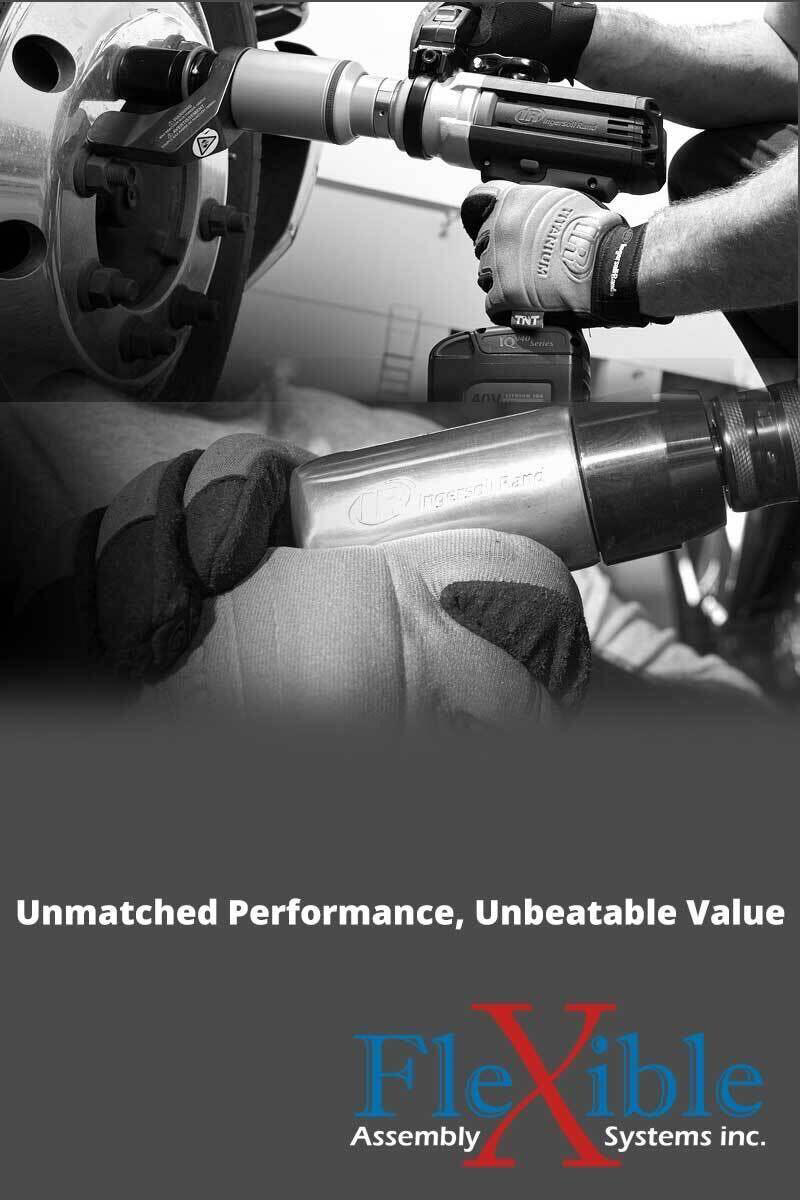
Deploy heavy industrial calibrated Torque Wrenches directly at these hybrid transition stations immediately. The internal physical mechanical clutch prevents the human operator from exceeding the precise metal tension limit.
Standardizing Quality Control Across Both Domains
You cannot judge a final structural product purely by the perfection of the automated robotic phase. The single manually installed structural bracket holds equal catastrophic failure potential constantly. Therefore, your total facility quality control parameters must span both functional domains seamlessly.
The automated robotic cells record exact digital final torque values for every single driven fastener securely. Your manual mechanical hand tools must replicate this exact level of rigid structural consistency.
| Operational Phase | Speed Velocity | Quality Auditing Result | Defect Potential | Operational Phase |
| Pure Automation | Insanely Fast | Complete Digital Record | Extremely Low | Pure Automation |
| Vague Manual Tool | Dangerously Slow | Total Blind Guesswork | Massively High | Vague Manual Tool |
| Calibrated Wrench | Consistent | Predictable Physical Release | Extremely Low | Calibrated Wrench |
Eradicating Unpredictable Component Friction
Massive automated arms apply exact rotational power regardless of unpredictable localized metal thread friction. They merely drive forward directly until the digital torque transducer reaches the programmed threshold limit safely. Manual operators severely misjudge this exact same physical friction variable completely.
When a dry metal screw binds tightly against an un-lubricated aluminum chassis hole, the operator pushes harder. They mistakenly believe the correct heavy tension limit was reached when it simply jammed entirely.
- You must strictly standardize exact localized surface lubrication drops prior to manual insertion.
- Ensure that pre-drilled chassis threads match the exact supplied fastener pitch geometry perfectly.
- A preset calibrated hand lever completely ignores this false physical friction feeling entirely.
- The hand tool simply clicks mechanically when absolute proper structural tension is truly achieved.
Optimizing the Ergonomic Handoff Zone
The physical space directly between the final robotic arm and the human operator is hyper-critical. If the heavy mechanical chassis exits the automated cage at a terrible physical angle, trouble starts instantly. The human operator must wrestle massive dead weight before they can apply manual leverage safely.
Design completely fluid mechanical transfer rails that orient the chassis perfectly for the human worker. The product must slide smoothly into the exact optimal ergonomic strike zone smoothly and efficiently. The operator must not physically stretch laterally to reach the presented bulk hardware feeder either.
Balancing Initial Deployment Capital Costs
Completely replacing every human workstation with six-axis precision robotics drains corporate capital immediately. Many vital operational tasks simply do not justify this severe extreme financial robotic expenditure. You must allocate massive budgetary resources strictly toward high-volume repetitive actions perfectly.
Strategic deployment of advanced mechanical hand levers and basic automated hardware feeders solves this. You achieve near robotic speed metrics at the specific manual stations without millions of dollars entirely.
Tracking Real Time Defect Propagation
A slight physical misalignment during the automated robotic phase cascades violently downward sequentially. When the automated cell cross-threads a massive structural bolt slightly, it passes to the human worker severely flawed. The manual operator using hand leverage discovers the complete mechanical failure only seconds later.
You must install highly sensitive digital vision sensors exactly at the transition checkpoint. Stop the massive hybrid system instantly if the vision camera detects a failed automated phase actively. This strict transition protocol prevents the human operator from wasting energy on a ruined workpiece.
Specialized Technical System Integration
You simply cannot purchase random mechanical feeders and advanced hand levers blindly offline. Massive hybrid line speeds require highly specific physical gear ratios and strict delivery geometries. If the delivery rail track fails to match the hardware batch perfectly, massive internal jams occur constantly.
Total system harmony requires an elite technical partner possessing massive structural manufacturing knowledge. Selecting raw heavy internal components randomly guarantees severe operational downtime and wasted sequential motion continuously.
Formulating Specific Operational Guidelines
Human technicians working adjacent to massive fast robotic cells require highly specific safety guidelines immediately. You must train the manual staff on exact physical interaction boundaries continuously and firmly. When a massive robotic arm sweeps a heavy chassis forward, the human must wait safely.
Operators strictly interact only with the secondary raw hardware presentation feeder until the chassis halts completely.
- Do not permit operators to reach across the active transfer rail while the system runs actively.
- Ensure the heavy calibration mechanical wrench remains strictly within the designated neutral work zone.
- Any sudden manual behavioral deviation destroys the synchronized flow of the hybrid line completely.
Integrating Physical Lockout Preventatives
If the upstream automated cell delivers a severely flawed workpiece, the human worker must halt completely. Advanced facilities deploy secure physical mechanical lockout arms to block the human access completely. If a defect registers heavily on the main sensor grid, the secondary manual station locks out tightly.
This physical external interlock prevents the manual worker from accidentally passing a ruined final part forward. It completely forces a strict mandatory physical supervisor review of the massive transition failure immediately. You maintain absolute extreme product integrity exactly at the most vulnerable process handoff perfectly.
Why Choose Flexible Assembly Systems?
Optimizing the incredibly complex gap between absolute robotics and human labor requires elite engineering immediately. We extensively analyze your high speed transfer checkpoints to eliminate extreme sequential production latency. Our expert rapid technical staff installs rigid hardware that perfectly synchronizes your completely different operational phases safely.
Our massive international hardware catalog supplies both exact automated delivery networks and precision mechanical hand tools. We stock incredibly durable automated bulk material feeders capable of surviving continuous brutal industrial punishment securely.
- Our advanced metrology lab strictly calibrates every heavy mechanical hand wrench to your exact specifications.
- We supply fully customized precision internal feeder rails that rapidly orient your specific heavy metallic hardware perfectly.
- We deliver robust replacement mechanisms incredibly fast to prevent any massive sequential line stoppages entirely.
- Trust our dedicated team to eliminate massive total product defect rates across your entire high volume facility securely.
Final Review
Maximizing your ultimate factory profitability demands perfect synchronization across your entire sequential physical floor space. Leaving a slow, blind manual operation directly downstream of a massive robotic assembly cell creates extreme operational disasters. You must heavily elevate the specific manual phase with rapid standardized localized hardware delivery systems immediately.
Equip your skilled manual line technicians with massive precisely calibrated heavy rotational wrenches instantly. Bridge the dangerous massive divide between absolute automation and fine skilled labor correctly and safely. Maintain highly aggressive daily sequential line speeds while simultaneously achieving zero final total product defects perfectly.