

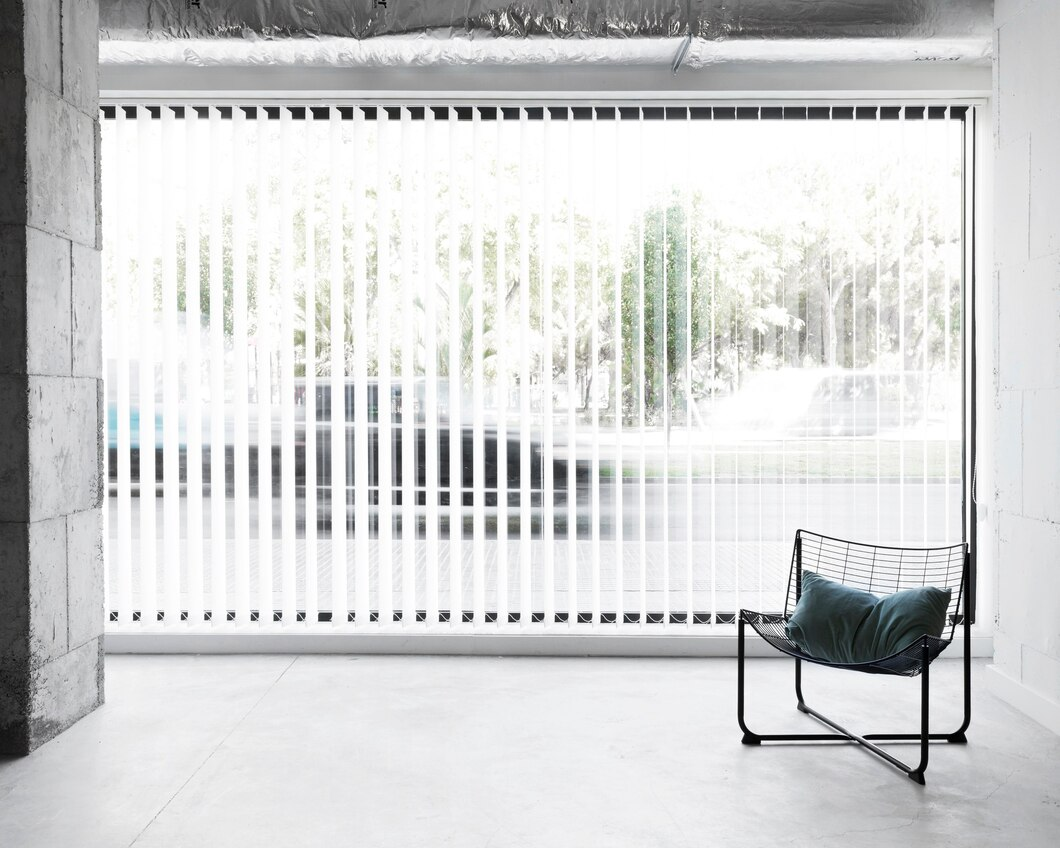
When it comes to enhancing outdoor living spaces, one of the most impactful improvements is adding automatic patio shades that regulate sunlight and temperature throughout the day. A well-designed patio is no longer just a decorative extension of the home; it has become a functional space for dining, relaxing, entertaining, and even working outdoors.
To achieve this level of usability, homeowners are focusing on comfort-driven upgrades that improve shade, seating, temperature control, lighting, and privacy. These elements work together to transform a basic patio into a highly functional outdoor environment that can be enjoyed in multiple seasons and conditions.
This guide explores the most effective outdoor comfort upgrades that improve patio functionality while maintaining a clean, inviting design.
1. Smart Shade Solutions for All-Day Comfort
Shade is one of the most important factors in making a patio usable during hot and sunny conditions. Without it, outdoor spaces often become uncomfortable and underused.
Modern shade systems go beyond simple umbrellas. Options like retractable awnings, pergolas with coverings, and motorized shade systems allow for adjustable protection based on the time of day.
Key benefits of advanced shade upgrades include:
- Reduced heat buildup on seating areas
- Protection from UV exposure
- Improved energy efficiency for adjacent indoor rooms
- Greater flexibility for all-day outdoor use
By controlling direct sunlight, shade upgrades make patios more practical for long periods of relaxation or social gatherings.
2. Comfortable and Functional Seating Arrangements
Seating is the foundation of any functional patio. If seating is uncomfortable or poorly arranged, the entire space becomes less usable.
Upgrading seating involves both comfort and layout. Cushions with high-density foam, modular seating, and built-in benches are all effective ways to improve usability.
Functional seating ideas include:
- Deep seating sofas with weather-resistant cushions
- Built-in corner benches to maximize space
- Modular seating that can be rearranged for gatherings
Proper seating arrangements also help define zones within the patio, such as lounging areas and dining sections.
3. Temperature Control for Year-Round Use
A functional patio should remain comfortable beyond just summer months. Temperature control upgrades help extend usability into cooler evenings and transitional seasons.
Some effective solutions include outdoor heaters, fire pits, and radiant heating systems integrated into furniture or overhead structures.
These upgrades provide:
- Warmth during cold evenings
- Extended outdoor usage throughout the year
- A cozy and inviting atmosphere
- Better comfort for longer gatherings
By balancing shade and warmth, patios become true all-season living spaces.
4. Lighting That Enhances Safety and Ambiance
Lighting plays a dual role in outdoor functionality. It improves visibility while also creating a relaxing atmosphere after sunset.
Layered lighting designs work best for patios, combining ambient, task, and accent lighting.
Common lighting upgrades include:
- String lights for soft overhead glow
- Pathway lighting for safe movement
- Wall-mounted fixtures for functional brightness
- Lanterns and portable lamps for flexible ambiance
Good lighting ensures that the patio remains usable and visually appealing even at night.
5. Durable Flooring That Improves Comfort and Flow
Flooring often gets overlooked, but it has a major impact on patio usability. Uneven or hard surfaces can reduce comfort and limit how the space is used.
Upgrading patio flooring improves both appearance and function.
Popular flooring improvements include:
- Interlocking deck tiles for quick transformation
- Natural stone or concrete pavers for durability
- Composite decking for low maintenance comfort
Proper flooring also helps define different zones and improves drainage, making the patio more practical during changing weather conditions.
6. Privacy Features That Improve Relaxation
Privacy is essential for creating a comfortable outdoor retreat. Without it, patios may feel exposed and less inviting.
Modern privacy solutions are designed to be both functional and visually appealing.
Effective privacy upgrades include:
- Vertical gardens and green walls
- Wooden or metal lattice screens
- Outdoor curtains for flexible coverage
- Tall planters placed strategically around seating areas
These features help create a sense of enclosure without making the space feel closed off.
7. Weather Protection for Long-Term Usability
Weather conditions like wind, rain, and intense sun can limit how often a patio is used. Adding protective features increases durability and usability.
Covered structures such as pergolas, awnings, and roof extensions provide reliable protection while maintaining airflow and openness.
Benefits include:
- Protection from sudden weather changes
- Reduced wear on furniture and decor
- Increased year-round usability
- Better comfort during unpredictable conditions
Weather protection is one of the most effective ways to make a patio consistently functional.
8. Smart Outdoor Accessories for Everyday Convenience
Small upgrades can significantly improve how a patio is used on a daily basis. Functional accessories help reduce clutter and improve organization.
Useful additions include:
- Storage benches for cushions and tools
- Outdoor side tables for convenience
- Built-in drink holders or ledges
- Weatherproof storage cabinets
These details make outdoor living more practical and help maintain a clean, organized environment.
9. Greenery and Natural Elements for Comfort Balance
Plants and natural materials soften the structure of a patio and improve comfort levels. They also help regulate temperature and enhance visual appeal.
Adding greenery creates a more relaxing environment that feels connected to nature.
Effective natural upgrades include:
- Potted plants in durable containers
- Vertical gardens for small spaces
- Hanging planters for layered design
- Natural wood and stone accents
These elements balance hard surfaces with soft, organic textures.
10. Outdoor Zones for Better Functionality
One of the most important design principles in modern patios is zoning. Instead of treating the space as one open area, it is divided into functional sections.
Common zones include:
- Dining areas with tables and chairs
- Lounge areas for relaxation
- Cooking or grilling spaces
- Reading or quiet corners
Zoning improves flow and ensures every part of the patio serves a clear purpose.
Conclusion
Creating a functional patio is about more than furniture or decor. It requires a combination of shade control, seating comfort, lighting design, temperature regulation, and thoughtful layout planning. Each upgrade plays a role in making the space more usable and enjoyable throughout the year.
When these elements are combined effectively, a patio becomes a fully functional outdoor extension of the home that supports relaxation, entertainment, and everyday living without limitations.