
Meaning and Evolution
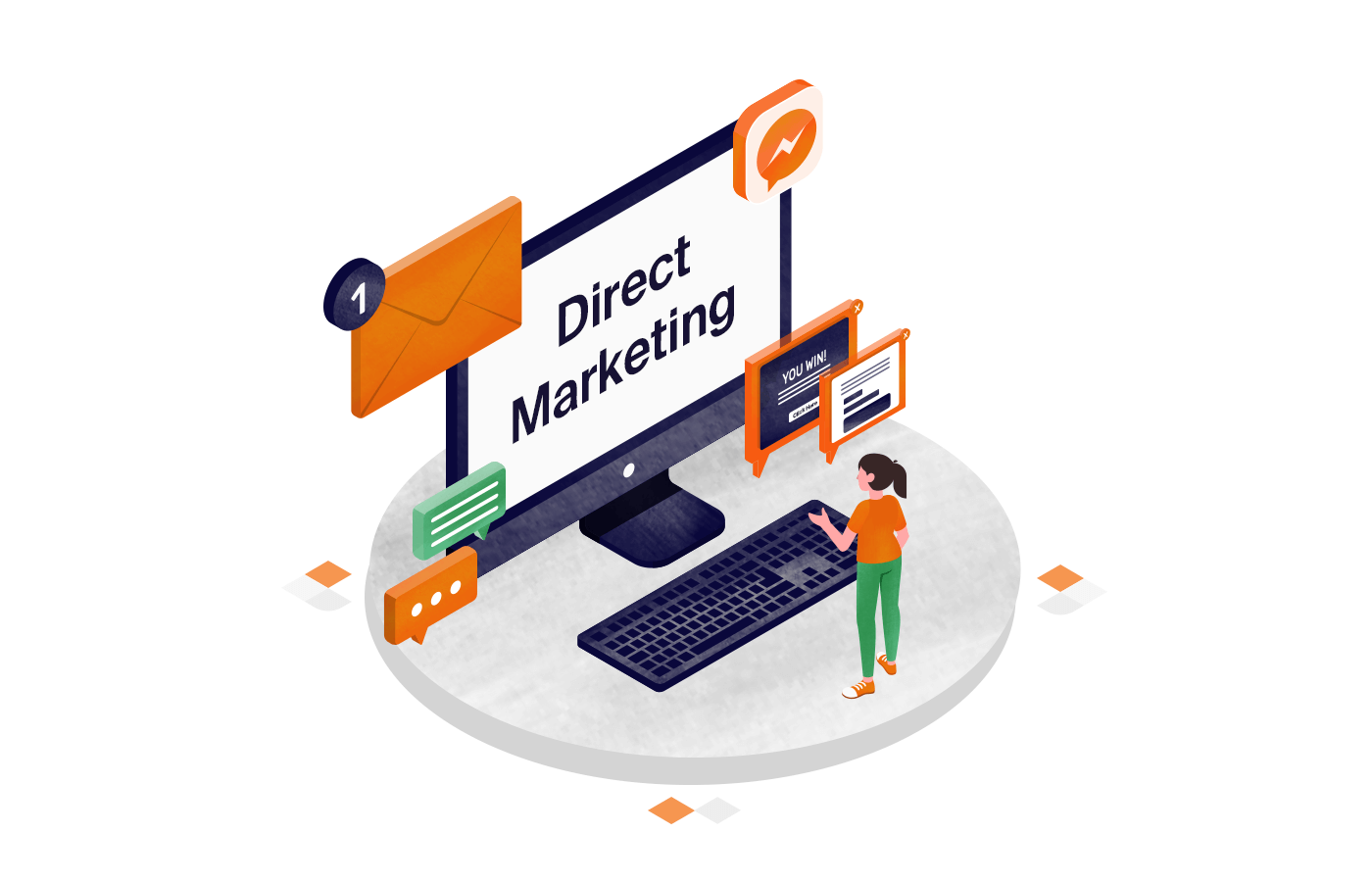
Direct marketing is like having a one-on-one conversation in a noisy marketplace. Instead of shouting to everyone, you lean in and speak directly to the person who is most likely to listen. This approach has evolved significantly over the years, moving from traditional mail and phone calls to highly sophisticated digital strategies. Today, businesses use emails, SMS, social platforms, and even personalized landing pages to communicate directly with their audience. The evolution has not just been about tools, but about mindset marketers now focus more on relevance and connection rather than volume.
Why It Still Matters Today
In a world overloaded with ads, banners, and pop-ups, people have become experts at ignoring noise. Direct marketing cuts through that noise by being relevant and personal. Think about the difference between a random ad and a message that feels tailored just for you it’s like the difference between junk mail and a thoughtful letter. This is why direct marketing continues to thrive even in the digital age.
Foundations of a Strong Direct Marketing Strategie
A strong direct marketing strategie is built on understanding your audience, delivering relevant messages, and choosing the right communication channels. When these elements work together, they create targeted campaigns that feel personal and drive better engagement and results.
Audience Segmentation
You can’t hit a target you don’t understand. Audience segmentation is the backbone of any successful direct marketing strategie. It involves dividing your audience into smaller, more specific groups based on factors like age, interests, buying behavior, and preferences. This process allows marketers to create messages that feel personal rather than generic.
Message Relevance
Once you know your audience, the next step is crafting a message that resonates. Relevance is everything. A message that speaks directly to a customer’s needs or desires is far more likely to succeed than one that feels generic. This is where storytelling, tone, and emotional appeal come into play.
Channel Optimization
Choosing the right channel is like choosing the right path to deliver your message. Some audiences prefer email, while others respond better to SMS or even physical mail. The key is understanding where your audience is most active and comfortable.
What Splash Really Means
Splash in marketing is your first impression the moment when your audience decides whether to pay attention or move on. It’s the headline that makes someone stop scrolling, the image that catches the eye, or the offer that sparks curiosity. Think of it as the opening scene of a movie; if it doesn’t grab attention, the audience may never stay for the rest. A strong splash is not just about being flashy. It’s about being clear, relevant, and emotionally engaging. It should instantly communicate value and create a sense of intrigue. When done right, splash becomes the gateway to deeper engagement.
Psychology Behind First Impressions
Human brains are wired to make quick decisions. Within seconds, we judge whether something is interesting, useful, or worth our time. This is why the splash element is so critical in direct marketing. It leverages psychology to capture attention before the mind has a chance to dismiss the message. Colors, words, and design all play a role in shaping this first impression. For example, bold headlines can create urgency, while clean visuals can convey professionalism. Understanding these psychological triggers allows marketers to design splash elements that truly stand out.
Handling in Marketing Explained
Handling in marketing refers to how businesses manage customer interactions after initial contact. It ensures timely responses, resolves queries effectively, and builds trust, turning first impressions into lasting relationships. Proper handling keeps customers engaged and improves overall satisfaction.
Managing Customer Responses
If splash is about attracting attention, handling is about maintaining it. Once a customer engages with your message, how you respond determines the outcome. Handling includes everything from answering queries to guiding customers through the buying process.
Building Trust Through Interaction
Handling is where relationships are built. Every interaction is an opportunity to strengthen trust and credibility. When customers feel heard and understood, they are more likely to stay loyal to your brand.
Popular Direct Marketing Channels
Direct marketing uses channels like email, SMS, direct mail, and telemarketing to reach audiences personally and effectively. Each channel offers unique advantages, allowing businesses to engage customers with tailored messages and measurable results. Choosing the right mix ensures maximum impact and higher response rates.
Email Campaigns: Email remains one of the most reliable channels for direct marketing. It allows for detailed communication, personalization, and consistent engagement. Businesses can share updates, promotions, and valuable content directly with their audience.
SMS and Mobile Marketing: SMS marketing is all about speed and immediacy. Messages are delivered instantly and are often read within minutes. This makes it ideal for time-sensitive offers or urgent updates.
Print and Direct Mail: Despite the rise of digital channels, print marketing still holds value. Physical mail creates a tangible experience that digital messages cannot replicate. It feels more personal and often stands out because it is less common.
Voice and Telemarketing: Telemarketing provides real-time interaction. It allows businesses to address concerns, answer questions, and build rapport instantly. While it requires skill and professionalism, it can be highly effective when done right.
Data and Technology in Direct Marketing
Role of Analytics
Data is the engine that drives modern direct marketing. Analytics help businesses understand what works and what doesn’t. By analyzing metrics like open rates, click-through rates, and conversions, marketers can refine their strategies.
Automation and AI
Automation has made direct marketing more efficient than ever. Tasks that once required manual effort can now be handled automatically. From sending emails to managing customer responses, automation saves time and reduces errors.
Benefits of Direct Marketing Strategie
Measurable Performance: One of the biggest advantages of direct marketing is its measurability. Every action can be tracked and analyzed. This transparency allows businesses to make informed decisions and optimize their campaigns.
Customer Loyalty: Direct marketing builds stronger relationships. By communicating personally and consistently, businesses can create a sense of connection with their audience.
Common Challenges
Privacy and Data Ethics: With great data comes great responsibility. Customers are increasingly concerned about how their information is used. Businesses must be transparent and ethical in their data practices.
Message Fatigue: Too many messages can overwhelm customers. This leads to disengagement and even annoyance. Finding the right balance is crucial.
Best Practices
Crafting Strong Splash Elements
Focus on clarity, emotion, and value. Your splash should immediately answer why the message matters. Use compelling headlines and visuals to capture attention.
Improving Handling Systems
Invest in responsive systems and trained teams. Quick, helpful responses can significantly improve customer experience. Consistency is key every interaction should reflect your brand’s values.
Conclusion
Direct marketing strategie is not just about selling it’s about connecting. From creating a powerful splash that captures attention to handling interactions with care, every step plays a role in shaping the customer experience. Businesses that understand this balance are the ones that succeed in building lasting relationships and achieving meaningful growth.