

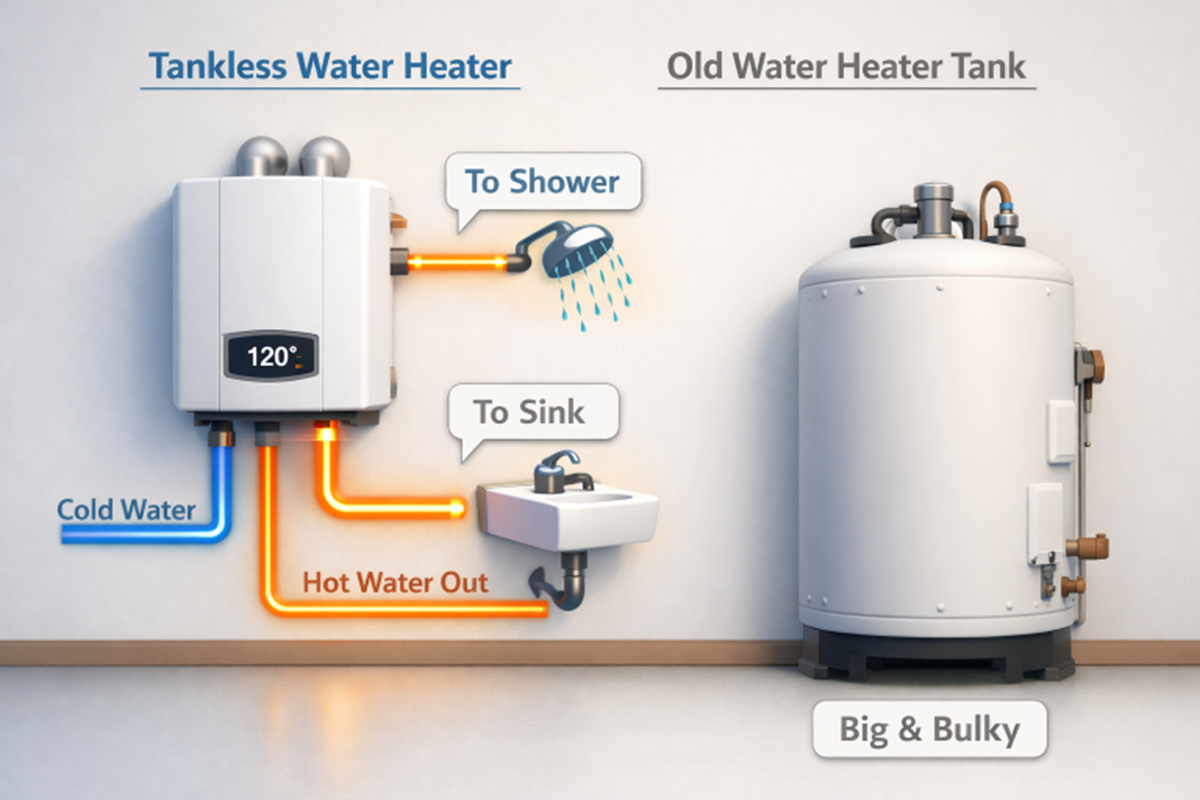
Tankless water heaters have become an attractive option for many homeowners seeking greater energy efficiency and comfort. Their design appeals to those looking to maximize space and reduce utility bills. However, as with any major home improvement, it is important to understand both the benefits and the limitations before making the switch. For local advice and installation, reach out to tankless water heater experts in Oahu who can help determine the most suitable options.
The decision to install a tankless water heater is influenced by factors such as household habits, property size, and budget. Learning how these systems work, their strengths, and their challenges can save you both time and money. Exploring the real-world performance of these systems goes beyond the simple promise of “endless hot water.” Instead, it is about weighing daily practicality, installation logistics, and long-term maintenance needs. Making an informed choice will ensure your investment delivers the comfort and value you expect.
Advantages of Tankless Water Heaters
Energy Efficiency
Tankless water heaters have a reputation for remarkable energy efficiency. raditional water heaters operate by keping a tank of water hot at all times. This process can lead to “standby” energy loss, in which heat is lost even when hot water is not in use. In contrast, tankless models eliminate this waste by heating water solely on demand. According to the U.S. Department of Energy, homes that use less than 41 gallons of hot water per day can save up to 34% compared to standard storage water heaters. These savings translate to both lower utility bills and a reduced environmental footprint. Homeowners who travel frequently or have fluctuating water needs particularly benefit from this flexibility.
Continuous Hot Water Supply
Perhaps the strongest selling point of a tankless system is the promise of never running out of hot water. Once the unit detects demand, it begins to heat the water as it flows through the system, making it virtually impossible to “empty” your supply. This makes cold showers and inconvenient waits for the tank to refill a thing of the past. Large families, or homes with unpredictable schedules, may especially appreciate the ability to have hot water as long as needed without planning usage windows.
Space-Saving Design
The tankless water heater’s compact footprint is a significant advantage for many homeowners, particularly those in apartments, condos, or smaller houses. Whereas traditional water heaters typically require a sizable storage area, tankless units are compact and can be mounted on walls, freeing up closet or garage space for other uses. This modern design not only contributes to a cleaner, less cluttered home, but also simplifies tasks like cleaning or accessing utility areas.
Longer Lifespan
A well-maintained tankless water heater can often outlast traditional tank versions by several years. Many models are rated for up to 20 years of service, compared to the 10 to 15 years typical for tank units. This increased longevity means you will likely replace your water heater less frequently over the life of your home, making the initial investment more cost-effective in the long run. For more details on maximizing the lifespan and efficiency of your unit, see guidance from the Consumer Reports Water Heater Buying Guide.
Disadvantages of Tankless Water Heaters
Higher Initial Cost
Although tankless water heaters can offer significant energy savings over their lifespans, the initial purchase and installation costs are notably higher than those of conventional models. These costs include the unit price, potential modifications to existing plumbing, and necessary upgrades to electrical or gas lines. For homeowners on a tight budget, the upfront expense might be a barrier, even though eventual utility bill reductions can help recoup some of the investment over time. Considering all installation variables with a professional is crucial for an accurate estimate.
Limited Simultaneous Usage
Tankless water heaters are designed to supply hot water on demand, but their capacity is limited by the flow rate they can heat at once. If several appliances require hot water simultaneously, such as multiple showers or a shower, dishwasher, and washing machine, the system may be unable to keep up. This can result in a drop in water temperature or pressure. For large households or homes with several bathrooms, it may be necessary to install multiple units or select a model with a higher flow rate. Consumer advocacy sites, such as the Department of Energy’s guide to tankless water heaters, offer resources for calculating your home’s hot water demand.
Maintenance Requirements
To maintain peak performance, a tankless water heater requires regular maintenance. Descaling and removing mineral buildup, especially in regions with hard water, protects the system from damage and ensures efficient operation. Neglecting necessary service can shorten the unit’s lifespan and may void some manufacturer warranties. Homeowners should budget for annual professional servicing and be proactive in understanding the manufacturer’s specific requirements.
Potential Delays in Hot Water Delivery
Though tankless systems are designed for on-demand delivery, there can be a brief lag between turning on the tap and receiving hot water. The extent of this wait depends on how far the heater is from the fixture in use and the plumbing layout. Unlike storage tank units, which have hot water ready, tankless devices must heat water each time. This delay is typically minor, but for certain home layouts or user expectations, it may be a factor in choosing a water heating system.
Conclusion
Tankless water heaters deliver many modern benefits, including improved energy efficiency, endless hot water, and a smaller home footprint. However, it is essential to balance these advantages with practical considerations such as installation costs, the unit’s ability to meet demand, and routine maintenance commitments. Taking time to evaluate your household’s usage patterns and preferences will help you make the most informed choice. When considering an upgrade, consult experienced professionals and trustworthy resources to determine the best system for your home’s needs.