
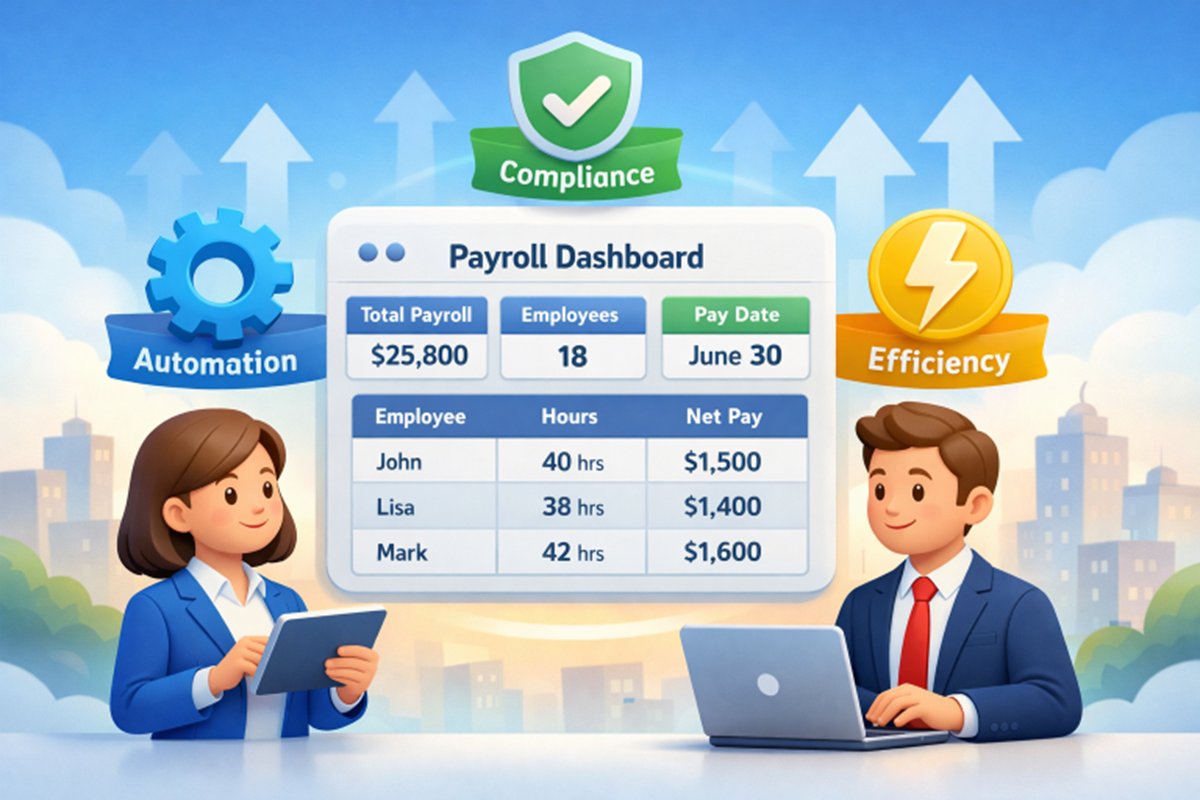
As businesses expand and take on new opportunities, payroll management can become increasingly intricate. Making informed decisions about payroll is critical for sustaining smooth operations, maintaining compliance, and adapting to new workforce demands. One effective solution is to explore payroll services online to automate processes, reduce errors, and maximize efficiency from the start. Shifting from manual payroll management to digital, automated systems allows business owners and HR teams to focus less on paperwork and more on strategy. These tools not only save time and money but also offer peace of mind that employees are paid on time and that legal requirements are met. Leveraging specialized payroll solutions early helps establish a foundation for continued success and growth.
For organizations aiming to drive productivity and operational consistency, investing in reliable payroll technology is a wise move. The right digital platform seamlessly integrates with other core business tools, promoting transparency and enabling decision-makers to respond quickly to challenges. Adopting digital payroll methods becomes even more beneficial as your company scales operations, manages larger headcounts, or expands to multiple locations. The right payroll approach can simplify the complexities that accompany business growth, turning challenges into opportunities for improvement.
Challenges in Payroll Management
Traditional approaches to payroll management are highly susceptible to manual errors, inaccurate calculations, missed deadlines, and potential compliance issues as regulations shift. As companies grow, these challenges can escalate quickly, leading to costly mistakes and employee dissatisfaction. Payroll is affected by local, state, and federal laws, each of which can change without warning. Payroll teams must accurately track taxes, overtime, benefits, and withholdings for every employee. Small errors or lapses in compliance can result in hefty fines, audits, or legal action, which could easily undermine growth momentum.
In this dynamic and often complex landscape, even minor lapses can have significant consequences for a business’s reputation and finances. Failing to keep accurate records or understand the nuanced requirements of different payroll jurisdictions could trigger unwanted audits or disputes. Proactive payroll management is vital not only for avoiding setbacks but also for building trust with employees, investors, and regulatory agencies as your organization grows and takes on new layers of responsibility.
Benefits of Payroll Automation
Automated payroll systems deliver significant advantages over manual processes:
- Accuracy: Technology-driven solutions significantly reduce errors in salary calculations and deductions, ensuring employees receive correct pay every cycle.
- Time-Saving: Automation eliminates repetitive manual data entry and streamlines monthly or weekly payroll runs, freeing team members to focus on business growth priorities.
- Employee Satisfaction: Timely, accurate payroll management increases confidence and morale among staff, which supports retention and improves organizational culture.
As automation becomes more advanced, many payroll systems can now handle complex requirements such as multi-state taxation, custom pay schedules, and real-time adjustment for bonuses or commissions. These modern features provide the accuracy and agility growing organizations need to stay competitive and compliant.
Integrating Payroll with Financial Systems
Business owners increasingly expect payroll solutions that integrate seamlessly with existing accounting, benefits, and human resources platforms. Integration minimizes redundant data entry, supports real-time financial reporting, and ensures payroll expenses are automatically matched with organizational budgets. This interconnected system reduces discrepancies, decreases audit risk, and helps companies forecast expenses more accurately, leading to better decision-making. With connected systems, data flows securely between programs, allowing for accurate reports with a few clicks. Team leaders can monitor labor costs, budget for upcoming projects, and make strategic decisions using up-to-date payroll data. This integration supports not only efficiency but also the transparency required for sound fiscal management, especially as stakeholders demand greater insight into their investments.
Scalability of Payroll Solutions
As organizations expand, their needs move beyond basic payroll. They may need to accommodate remote workers, manage varying compensation packages, or operate across state or national borders. Scalable digital payroll solutions support more employees without sacrificing performance or accuracy, making it easier to grow without overhauling your payroll system at each stage. Such flexibility is particularly important for fast-growing startups and companies with seasonal workforce fluctuations. For example, a company that experiences rapid hiring can use scalable payroll software to add new employees, automate onboarding paperwork, and adapt policies for multiple locations, without having to juggle separate platforms. By addressing the growing complexity with agile tools, businesses can focus on their core mission and stay ahead of the competition even as they navigate unpredictable growth cycles.
Ensuring Compliance with Payroll Regulations
Payroll regulations frequently change, often with little notice. Modern payroll platforms automatically track regulatory updates, adjust tax calculations in line with new laws, and generate required tax forms. This automation lowers the risk of human error, helping avoid fines, penalties, or legal disputes. Robust payroll solutions provide audit-ready reporting and maintain detailed records, ensuring compliance with government reviews or business evaluations. The Society for Human Resource Management provides ongoing updates and guidance on payroll compliance for U.S. businesses. Staying compliant also means regularly reviewing policies regarding overtime, minimum wage, and leave entitlements, especially as rules shift at different levels of government. Compliance-focused payroll tools empower HR teams to respond swiftly to legislative changes, minimizing risk and building credibility with employees and regulators alike.
Choosing the Right Payroll Software
When evaluating payroll solutions, consider factors beyond just price. User-friendly interfaces allow for quick onboarding and minimal training. Critical features like direct deposit, automated tax filing, mobile access, and automated benefits administration create value for both the company and its workforce. Additionally, strong customer support, training resources, and security protocols are essential for businesses new to advanced digital systems. QuickBooks Payroll stands out for its simplicity and comprehensive features, making it a particularly good fit for small businesses and first-time payroll software users. Businesses should also seek out solutions that ensure strong cybersecurity protections for sensitive employee data. Look for systems that support encryption, offer regular security updates, and provide dedicated customer support channels. Peer reviews, free trials, and detailed product demos are practical ways to evaluate which payroll platform best suits your current and future needs. Involving input from your finance, HR, and IT teams during the selection process helps ensure you choose a solution that is effective, efficient, and sustainable as your business evolves.
Conclusion
Smart payroll choices set the stage for a productive, compliant, and scalable future as your business grows. By transitioning from manual methods to strategically selected digital payroll solutions, companies can handle increased complexity, avoid regulatory pitfalls, and keep employees satisfied. Prioritizing adaptable, integrated payroll technology now provides significant long-term business advantages, allowing leadership to focus on innovation and expansion rather than administrative burdens. Ultimately, evolving your payroll strategy is not just about efficiency but a proactive investment in your company’s future. With the right technology in place, your organization is well-positioned to handle growth, meet regulatory requirements, and foster a workplace where employees feel secure and valued. As payroll remains at the heart of every business, making these smart, forward-thinking decisions today will help lay the groundwork for ongoing resilience, scalability, and success.