
In today’s hyper-connected digital ecosystem, organizations face unprecedented challenges in protecting sensitive information and critical infrastructure. The growing volume of cyber threats, combined with complex IT environments, has made data secure solutions a necessity rather than an option. Businesses must adopt advanced strategies that not only safeguard data but also ensure complete protection of IT assets throughout their lifecycle.
Modern enterprises rely heavily on technology assets—ranging from hardware devices and software systems to cloud platforms and virtual environments. Protecting these assets requires a comprehensive approach that integrates security, visibility, and lifecycle management into a unified framework.
Understanding IT Asset Protection in the Modern Era
IT asset protection is closely tied to the concept of IT Asset Management (ITAM), which involves tracking and managing all technology resources across their lifecycle. This includes procurement, deployment, maintenance, and secure disposal. Effective ITAM ensures that assets are used efficiently while minimizing risks associated with data breaches and unauthorized access.
In addition, organizations must maintain real-time visibility into their IT infrastructure. Asset visibility enables businesses to monitor the health, location, and security status of devices and systems, helping detect vulnerabilities before they escalate into serious threats.
Without proper visibility and management, IT environments become vulnerable to cyberattacks, compliance failures, and operational inefficiencies.
Key Components of Advanced Data Secure Solutions
1. Real-Time Asset Visibility and Monitoring
A strong foundation of IT asset protection begins with complete visibility. Organizations need to know what assets exist, where they are located, and how they are being used. Real-time monitoring tools powered by AI and analytics provide insights into asset performance and security posture.
This proactive approach helps IT teams identify anomalies, detect threats early, and respond quickly to incidents.
2. Data Encryption and Access Control
Encryption remains one of the most effective methods for protecting sensitive information. By encrypting data both at rest and in transit, organizations can ensure that even if data is intercepted, it remains unreadable.
Access control mechanisms further strengthen security by restricting data access to authorized users only. Implementing role-based access and the principle of least privilege minimizes the risk of insider threats and unauthorized data exposure.
3. Integrated IT Asset Management Systems
Advanced data secure solutions incorporate robust ITAM systems that centralize asset tracking and management. These systems provide a comprehensive inventory of hardware, software, and cloud assets, enabling better decision-making and compliance management.
A well-implemented ITAM strategy helps organizations:
- Optimize asset utilization
- Reduce unnecessary costs
- Maintain compliance with regulations
- Identify outdated or vulnerable systems
4. Secure IT Asset Disposition (ITAD)
Protecting IT assets does not end when they are no longer in use. Secure disposal of outdated equipment is critical to prevent data leaks. IT Asset Disposition (ITAD) ensures that data is completely destroyed and assets are recycled or repurposed responsibly.
Proper ITAD processes include secure data wiping, physical destruction of storage devices, and documentation for compliance. These measures eliminate the risk of sensitive data being recovered from discarded devices.
5. Threat Detection and Incident Response
Advanced cybersecurity solutions incorporate threat detection systems such as intrusion detection, security information and event management (SIEM), and behavioral analytics.
These tools continuously monitor networks and systems for suspicious activity, enabling organizations to:
- Detect cyber threats in real time
- Respond quickly to incidents
- Minimize damage and downtime
A well-defined incident response strategy ensures business continuity and reduces recovery time after a security breach.
The Role of Automation and AI in Data Security
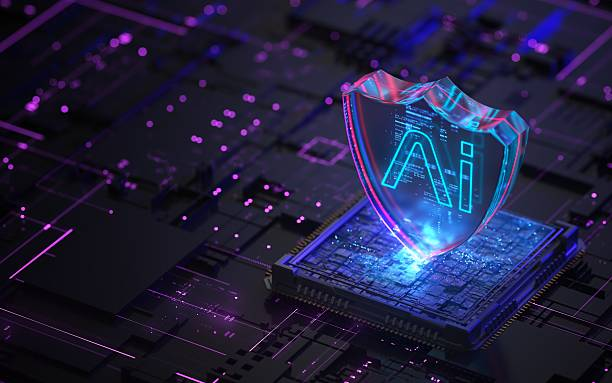
Artificial intelligence and automation are transforming the way organizations approach data security. Modern systems use machine learning algorithms to analyze large volumes of data, identify patterns, and predict potential threats.
Automation reduces the burden on IT teams by handling routine tasks such as vulnerability scanning, patch management, and compliance reporting. This allows security professionals to focus on strategic initiatives and complex threat mitigation.
Benefits of Implementing Advanced Data Secure Solutions
Enhanced Cybersecurity Posture
By integrating multiple security layers, organizations can significantly reduce their exposure to cyber threats and data breaches.
Improved Compliance
Regulatory requirements such as GDPR, HIPAA, and ISO standards demand strict data protection measures. Advanced solutions help ensure compliance and avoid costly penalties.
Cost Optimization
Efficient asset management reduces redundant purchases and extends the lifecycle of IT resources, leading to better cost control.
Business Continuity
With robust backup, recovery, and incident response mechanisms, organizations can maintain operations even during security incidents.
Increased Operational Efficiency
Automation and centralized management streamline IT processes, improving productivity and decision-making.
Challenges in IT Asset Protection
Despite the availability of advanced technologies, organizations often face challenges such as:
- Managing complex hybrid IT environments
- Ensuring consistent security across cloud and on-premise systems
- Addressing insider threats
- Keeping up with evolving cyberattack techniques
Overcoming these challenges requires a strategic approach that combines technology, policies, and employee awareness.
Best Practices for Complete IT Asset Protection
To achieve comprehensive IT asset protection, organizations should follow these best practices:
- Maintain an up-to-date inventory of all IT assets
- Implement multi-layered security controls
- Conduct regular security audits and risk assessments
- Train employees on cybersecurity awareness
- Use automated tools for monitoring and threat detection
- Ensure secure disposal of end-of-life assets
The Future of Data Secure Solutions
As technology continues to evolve, data security solutions will become more sophisticated and integrated. Emerging trends such as zero-trust architecture, blockchain-based security, and advanced threat intelligence will shape the future of IT asset protection.
Organizations that invest in innovative security strategies today will be better prepared to להתמודד future challenges and safeguard their digital assets effectively.
Conclusion
Advanced data secure solutions are essential for achieving complete IT asset protection in today’s dynamic digital landscape. By combining real-time visibility, robust asset management, secure disposal practices, and cutting-edge cybersecurity technologies, organizations can build a resilient defense against evolving threats.
Businesses looking to strengthen their IT asset protection strategies can explore comprehensive solutions offered by platforms like E-xpire, which focus on secure asset lifecycle management and data protection.
Ultimately, a proactive and integrated approach to data security not only protects valuable assets but also ensures long-term business success in an increasingly digital world.