

Maintaining your chimney is a key part of home safety, yet it is too often overlooked until a serious problem emerges. Homeowners should be aware of the early signs that their chimney needs maintenance, as failing to address them can lead to dangerous fire hazards and costly repairs. Noticing and responding to these warning indicators early will help protect your investment and keep your family safe. If you live in Atlanta or the surrounding areas, reliable Atlanta Chimney Repair & Restoration Services are available to help restore safety and efficiency to your home’s chimney.
Schedule regular inspections, especially if you use your fireplace frequently during colder months. Ignoring seemingly minor symptoms can escalate into expensive structural damage or create health risks due to gas and smoke exposure. By understanding the most common warning signs of chimney problems, you will be better prepared to act fast and prevent disaster.
Visible Cracks or Damage on the Chimney Exterior
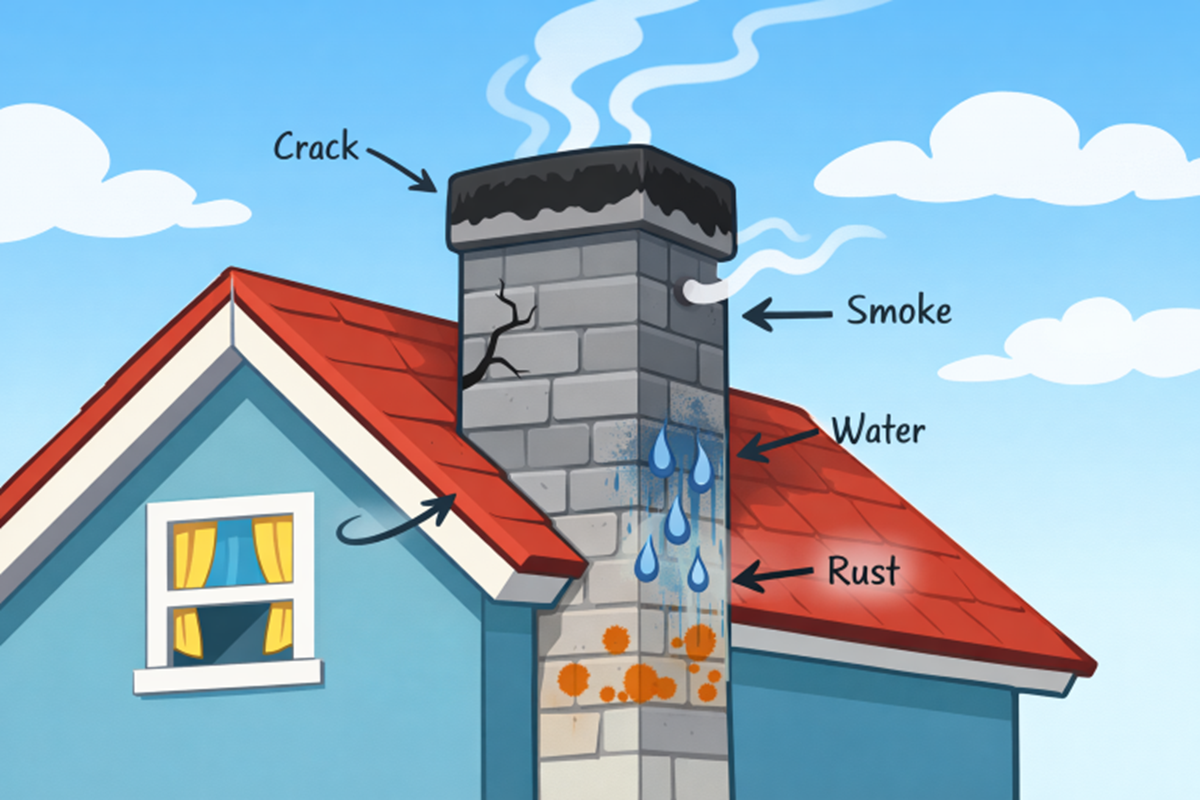
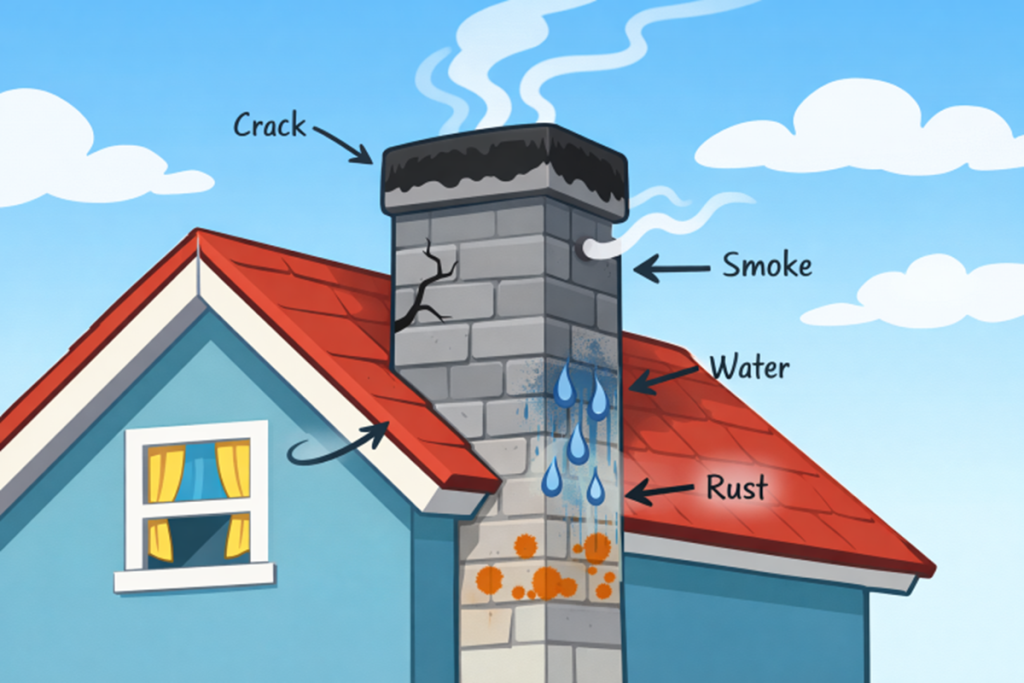
Take a close look at your chimney’s exterior several times a year. Visible cracks in the bricks or mortar are among the most obvious signs that your chimney may be unsafe. Freeze-thaw cycles, shifting foundations, and long-term wear can cause these materials to degrade over time. Even small cracks can let moisture inside, leading to hidden internal damage and eventual structural compromise if not repaired quickly. When left unaddressed, exterior damage can make your chimney vulnerable to collapse or interior leaks, both of which are dangerous and costly to fix.
Excessive Creosote Buildup
Creosote is a highly flammable substance that forms when wood smoke condenses inside the chimney flue. With repeated use, a layer of creosote will accumulate along the inner walls, restricting airflow and heightening the risk of a chimney fire. Homeowners may identify excessive creosote by a thick, black, tar-like coating or a strong, smoky smell emanating from the fireplace. Creosote fires are a leading cause of house fires linked to chimneys. It is best practice to schedule a professional cleaning if you observe these warning signs or have not had your chimney professionally inspected within the past year.
Unpleasant Odors or Smoke Indoors
Odors coming from your chimney, such as musty, smoky, or chemical smells, are often warning signs of trouble. These smells can indicate a blockage, insufficient draft, or trapped moisture and creosote. In some instances, smoke escaping into living spaces during fireplace use signals even more severe issues, such as a blocked flue or reversed airflow. Prolonged exposure to chimney smoke and gas leaks is particularly hazardous, with risks ranging from carbon monoxide poisoning to respiratory illnesses. If you notice these symptoms, stop using your fireplace immediately and contact a certified chimney technician for an evaluation.
Water Leaks or Stains Near the Chimney
Water leaks in or around the chimney are a major indication of underlying damage. Staining on adjacent walls, ceilings, or the masonry itself often means that rainwater is infiltrating through damaged flashing, cracked crowns, or deteriorated masonry. Moisture issues encourage mold growth and can rust metal parts, degrade mortar, and cause bricks to crumble. Early intervention is essential because water damage can spread rapidly, requiring far more extensive repairs if ignored. Moisture intrusion also diminishes the chimney’s efficiency and can compromise indoor air quality, particularly in buildings with older or unlined chimney systems.
Rust on Chimney Components
Rust is a sign that water has entered parts of the chimney that are designed to stay dry. You might notice rust on the damper, fireplace doors, firebox, or the chimney cap. Rust not only indicates the presence of moisture but also suggests possible hidden corrosion deeper inside your chimney system. Damaged or rusty dampers may be difficult to operate and can reduce the efficiency of your fireplace. A rusted firebox or chimney cap may no longer protect your home from sparks or debris. Addressing moisture entry points through professional repair and waterproofing will prevent further deterioration and help restore your chimney’s safety.
When to Call a Professional
Do not attempt to repair major chimney defects or deep cleaning yourself. If you observe any of the warning signs discussed, reach out immediately to a qualified chimney sweep or repair professional who can assess the extent of damage. Preventative maintenance, including annual inspections and regular cleanings by certified technicians, is critical for avoiding costly emergencies and keeping your household safe.