

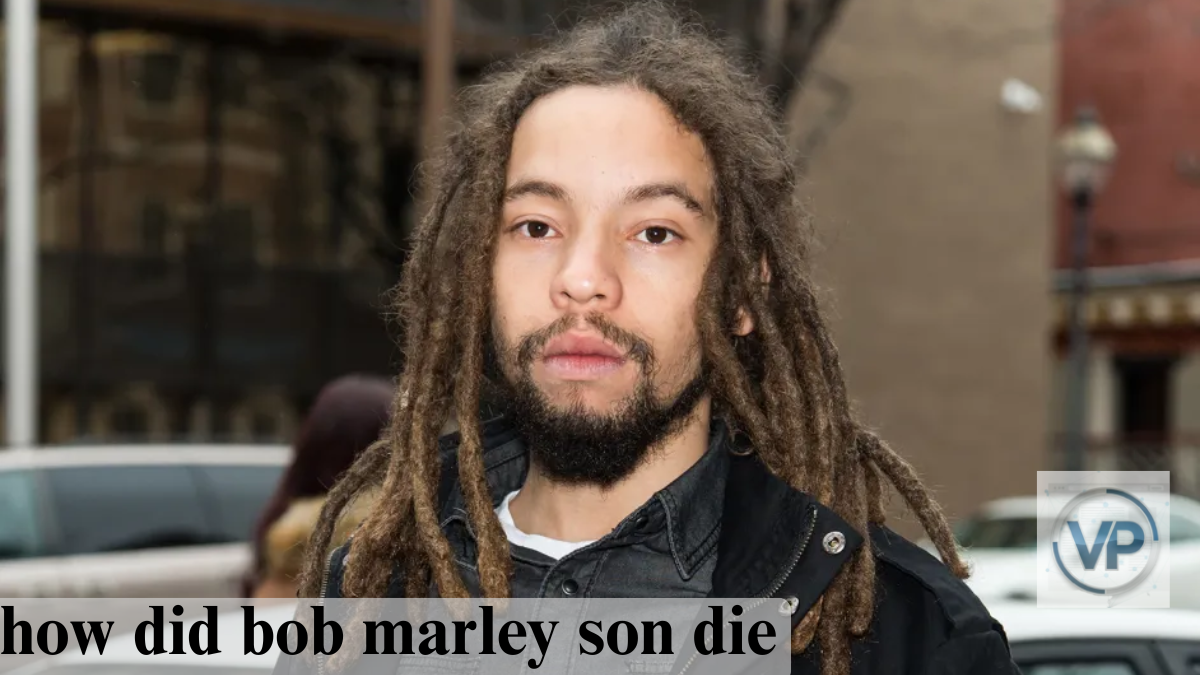
Bob Marley, the iconic reggae legend, left behind not only a rich musical legacy but also a large family of children, many of whom followed in his footsteps. One of them was Joseph “Jo Mersa” Marley, the son of Stephen Marley and grandson of Bob Marley. His sudden death in late 2022 shocked fans around the world and sparked questions, rumors, and heartfelt tributes.
So, how did Bob Marley son die, and what does his passing mean for the Marley family’s legacy? Let’s explore the full story of Jo Mersa Marley’s life, career, and untimely death—while honoring the young artist he was becoming.
Who Was Jo Mersa Marley?
Born on March 12, 1991, in Kingston, Jamaica, Joseph Marley was more than just the descendant of a legend. He was an artist in his own right. Raised between Jamaica and Miami, Jo Mersa was immersed in music from an early age. His father, Stephen Marley, was a multiple Grammy Award-winning musician, and Jo learned firsthand the intricacies of songwriting, production, and performing.
He attended Palmetto High School and later studied studio engineering at Miami Dade College, honing his technical skills while nurturing his artistic voice.
While Jo had the Marley name, he never rode on it. Instead, he aimed to evolve the legacy with his own sound—a fusion of reggae, dancehall, hip hop, and R&B.
His Musical Journey and Creative Legacy
Jo Mersa’s musical debut came in 2010 with the song “My Girl” featuring his cousin Daniel Bambaata Marley. The track gained attention and set the tone for his unique sound. His 2014 debut EP, “Comfortable,” further cemented him as a rising voice in modern reggae. The project displayed his ability to blend traditional Marley themes—consciousness, love, rebellion—with a youthful, genre-bending twist.
His 2021 album, “Eternal,” was both ambitious and deeply personal. Collaborations with artists like Busy Signal and Melii expanded his reach, while tracks such as “Made It” and “Yo Dawg” explored themes of spiritual strength and self-realization.
Jo Mersa was more than just a musician; he was a cultural bridge between generations, trying to redefine what it meant to be a Marley in the 21st century.
How Did Bob Marley Son Die?
Jo Mersa Marley was found unresponsive in his car on December 27, 2022, in the parking lot of a retail plaza in Kendal, Florida. He was just 31 years old.
Initial reports speculated on possible causes, but the official autopsy confirmed the cause of death as acute asthma exacerbation, triggered by an infection. More specifically, he had a history of asthma and had been dealing with a respiratory illness prior to his death.
He was reportedly not carrying his inhaler, which may have played a critical role in the tragic outcome. The sudden nature of his death left many in disbelief. It wasn’t drugs, violence, or recklessness—it was a medical condition that many consider manageable, yet one that can turn fatal without immediate treatment.
The Danger of Asthma: A Silent Threat
While some people treat asthma as a minor inconvenience, the reality is far more serious. Asthma is a chronic lung disease that causes inflammation in the airways. Triggers can include:
- Viral infections
- Cold air or environmental allergens
- Stress and fatigue
- Smoke or pollution
In Jo Mersa’s case, the respiratory infection and the absence of his inhaler combined to create a deadly perfect storm. According to medical examiners, the inflammation likely became so severe that his airways closed, causing asphyxiation.
This is a stark reminder: asthma can be fatal, even in young, otherwise healthy individuals.
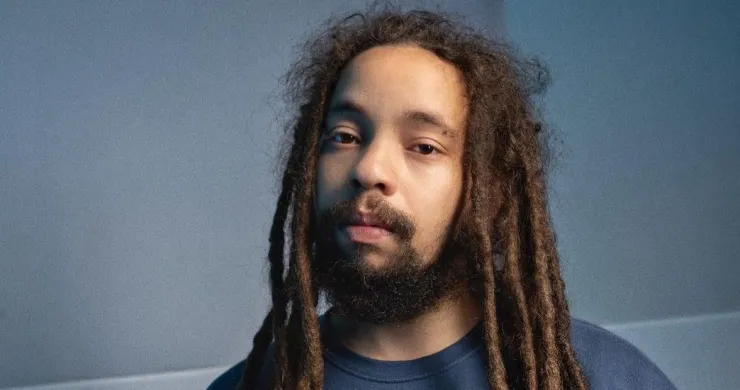
Reactions from Family and the Music World
The Marley family, known for their strength and unity, responded with heartbreak and grace. Stephen Marley, Jo’s father, remained largely private but expressed his devastation through a few public words and tributes.
Ziggy Marley, Jo’s uncle, wrote:
“The loss of a young soul in our family is unbearable. Jo was just getting started, and he had so much more to give.”
Celebrities and reggae artists across the world—Buju Banton, Shaggy, Sean Paul, and more—shared their condolences and celebrated Jo’s contributions. Radio stations held tribute marathons. Fans flooded his social media with memories and music clips.
Even Jamaica’s Prime Minister, Andrew Holness, shared condolences and praised Jo Mersa for representing Jamaican music on the world stage.
The Generational Impact: Marley Name in Modern Times
The Marley legacy is both a blessing and a burden. Carrying Bob Marley’s name means high expectations. But Jo never tried to imitate his grandfather. Instead, he channeled the spirit of revolution and compassion through his own creative lens.
His music didn’t chase trends. It was grounded, spiritual, often introspective. Songs like “No Way Out” speak volumes in hindsight, with lines that now feel hauntingly prophetic.
Jo was part of a new Marley wave, alongside cousins like Skip Marley and Yohan Marley, who are reinterpreting reggae in their own way—bringing it into the future while staying true to its roots.
Was His Death Preventable? A Wake-Up Call for Many
The question many have asked is: Could Jo Mersa’s death have been prevented?
The answer is not simple. Jo had been dealing with chronic asthma for years. Some friends noted that he often carried his inhaler but had grown used to managing attacks. Like many people with the condition, he may have underestimated the severity of his illness that day.
This tragedy shines a light on a broader issue: access to health care, regular monitoring of chronic conditions, and education about asthma dangers are often overlooked—especially among busy, traveling artists.
If there’s one thing to take away, it’s that health should never be sidelined, no matter your age, fitness level, or career.
How Did Bob Marley Son Die: A Reflection on Generational Grief
Losing a son is a different kind of pain than losing a father. Bob Marley passed in 1981 from melanoma, another often-misunderstood condition. The loss of Jo, over four decades later, brings a painful full-circle moment for the Marley family. Two generations, two health-related deaths, both far too young.
Bob’s music was about life, resilience, and the fight for justice. Jo’s music was about survival, emotional struggle, and spiritual questioning. Both left legacies that go far beyond their years.
The Final Days and Funeral
Jo Mersa’s final days were reportedly quiet. He had been performing and recording, but was also battling illness. Friends say he had complained about fatigue, coughing, and congestion but never sought hospitalization.
His funeral, held in Jamaica, was filled with music, tributes, and emotional speeches. The service was attended by major political and cultural figures, and it became both a mourning and a celebration. Artists performed his songs, honoring the young lion who was just beginning to roar.
His Legacy Lives On
Though he passed young, Jo Mersa Marley left behind a body of work that continues to resonate. His tracks still stream globally, his name lives on in Marley discographies, and his spirit carries through in the lyrics and melodies he gifted the world.
And now, when people search or ask, how did Bob Marley son die, it will no longer be just a question of facts—it will be a reflection on life, health, destiny, and the invisible threads that tie us to the past.