

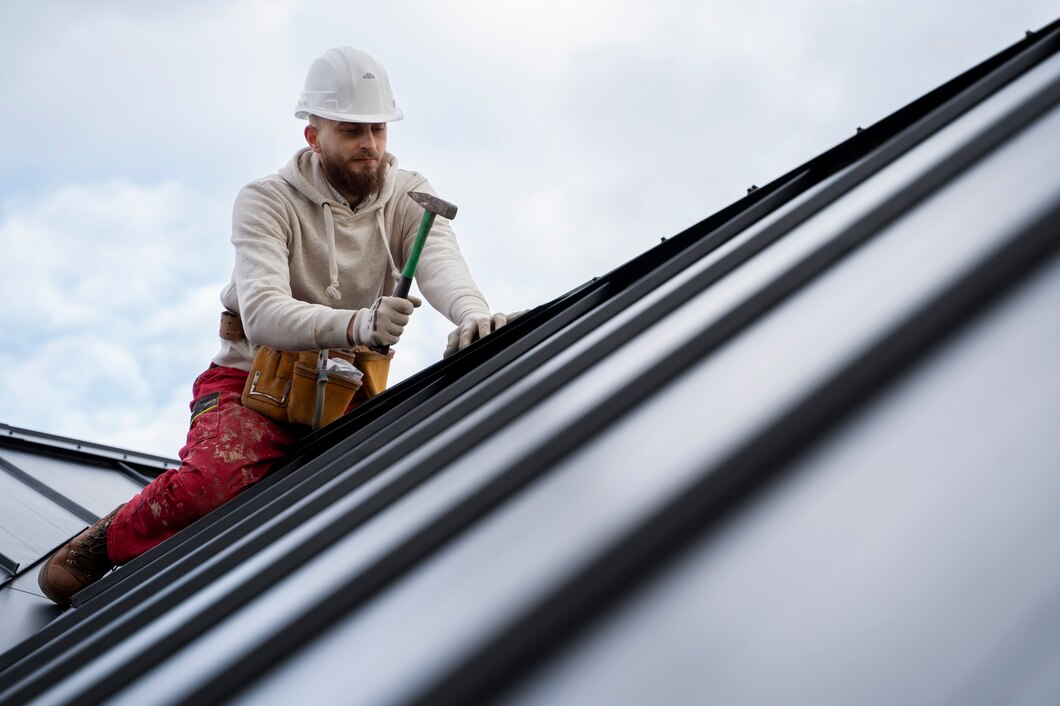
Houston’s weather is known for its intensity and unpredictability, and it plays a major role in how roofs perform over time. Homeowners who rely on roofing services in Houston often face unique challenges due to the region’s combination of heat, humidity, storms, and seasonal shifts. Understanding how these climate conditions affect roofing systems can help property owners make informed decisions about maintenance, repairs, and long-term durability.
Understanding Houston’s Unique Climate
Houston has a humid subtropical climate characterized by long summers, mild winters, and frequent rainfall. This combination creates a demanding environment for roofing materials. Unlike regions with dry or moderate weather, Houston exposes roofs to continuous stress throughout the year.
The key climate factors that influence roof performance include:
- High humidity levels
- Intense heat and UV exposure
- Heavy rainfall and thunderstorms
- Occasional hurricanes and strong winds
- Seasonal temperature fluctuations
Each of these elements contributes to gradual wear and tear, reducing the overall lifespan of a roof if not properly managed.
The Impact of Heat and UV Radiation
Houston experiences extended periods of high temperatures, especially during summer. Roof surfaces absorb a significant amount of heat, which can lead to material degradation over time.
Thermal Expansion and Contraction
Roofing materials expand when exposed to heat and contract as temperatures drop. This constant movement can weaken structural integrity and cause cracks, especially in asphalt shingles.
Over time, this cycle may lead to:
- Warping or curling shingles
- Cracks in roofing membranes
- Loosening of fasteners
UV Damage
Ultraviolet rays from the sun break down roofing materials at a chemical level. Asphalt shingles, for example, lose their protective granules, making them more vulnerable to damage.
Prolonged UV exposure can result in:
- Fading and discoloration
- Reduced waterproofing ability
- Increased brittleness
Roofs that are not designed to withstand high UV exposure may require more frequent maintenance or replacement.
Humidity and Moisture Challenges
One of the most significant factors affecting roofs in Houston is high humidity. Moisture in the air can penetrate roofing materials and create long-term problems.
Mold and Mildew Growth
Excess moisture creates ideal conditions for mold and mildew to develop. This not only affects the appearance of the roof but can also weaken its structure.
Common issues include:
- Black streaks on shingles
- Rotting wooden components
- Deterioration of underlayment
Reduced Ventilation Efficiency
High humidity can make proper attic ventilation more critical. Without adequate airflow, moisture becomes trapped, leading to condensation buildup.
This can cause:
- Insulation damage
- Increased indoor humidity
- Structural weakening
Proper ventilation systems help regulate moisture levels and extend roof lifespan.
Heavy Rainfall and Water Damage
Houston receives a substantial amount of rainfall throughout the year. While roofs are designed to handle water, constant exposure can lead to problems if drainage systems are not functioning properly.
Drainage and Water Pooling
Flat or low-slope roofs are particularly vulnerable to water pooling. When water does not drain efficiently, it can seep into small cracks and cause leaks.
Potential risks include:
- Water infiltration
- Structural damage
- Premature aging of roofing materials
Gutter System Importance
Gutters play a critical role in directing water away from the roof. In Houston’s rainy climate, clogged or damaged gutters can quickly lead to overflow and water damage.
Maintaining clean and functional gutters is essential for protecting the roof and surrounding structure.
Storms, Wind, and Hurricane Exposure
Houston is no stranger to severe weather, including thunderstorms and occasional hurricanes. These events can cause immediate and visible damage to roofing systems.
Wind Damage
Strong winds can lift shingles, loosen flashing, and expose underlying materials. Even moderate storms can weaken a roof over time.
Signs of wind damage include:
- Missing or displaced shingles
- Loose roofing components
- Exposed underlayment
Impact from Debris
Flying debris during storms can puncture or crack roofing materials. This type of damage often leads to leaks if not addressed promptly.
Long-Term Structural Stress
Repeated exposure to storms can gradually weaken the roof’s structure, making it more susceptible to future damage.
Seasonal Temperature Variations
Although Houston does not experience extreme winters, seasonal temperature changes still affect roofing materials. Even mild fluctuations can contribute to wear and tear.
Expansion and Material Fatigue
Temperature changes cause materials to expand and contract, leading to fatigue over time. This is particularly noticeable in older roofs.
Sealant and Adhesive Breakdown
Roofing sealants and adhesives can lose their effectiveness due to temperature shifts. This may result in gaps or leaks that require repair.
Common Roofing Materials and Their Performance in Houston
Different roofing materials respond differently to Houston’s climate. Choosing the right material can significantly impact longevity and maintenance needs.
Asphalt Shingles
Asphalt shingles are widely used due to their affordability, but they are more susceptible to heat and UV damage. Regular inspections are necessary to ensure they remain effective.
Metal Roofing
Metal roofs perform well in high heat and are resistant to moisture. They reflect sunlight, which helps reduce heat absorption.
Advantages include:
- High durability
- Resistance to mold and mildew
- Longer lifespan compared to shingles
Tile Roofing
Clay and concrete tiles are durable and can withstand heat and moisture. However, they are heavier and may require additional structural support.
Flat Roofing Systems
Flat roofs are common in commercial buildings but require careful maintenance in Houston’s rainy climate. Proper drainage is critical to prevent water accumulation.
Maintenance Needs in Houston’s Climate
Due to the demanding weather conditions, roofs in Houston require consistent maintenance to remain in good condition.
Regular Inspections
Routine inspections help identify minor issues before they become major problems. It is recommended to inspect roofs at least twice a year and after major storms.
Cleaning and Debris Removal
Leaves, branches, and dirt can accumulate on roofs and in gutters, especially after storms. Removing debris helps prevent water buildup and damage.
Addressing Minor Repairs Quickly
Small issues such as loose shingles or minor leaks should be repaired promptly. Delaying repairs can lead to more extensive damage and higher costs.
Ensuring Proper Ventilation
Adequate ventilation helps regulate temperature and moisture levels, reducing the risk of mold growth and material deterioration.
Signs That Climate Is Affecting Your Roof
Homeowners should be aware of warning signs that indicate climate-related damage. Early detection can help extend the life of a roof.
Common signs include:
- Curling or cracked shingles
- Water stains on ceilings
- Mold or algae growth
- Sagging roof sections
- Increased energy bills due to poor insulation
Recognizing these indicators early allows for timely intervention and prevents further deterioration.
Extending Roof Lifespan in Houston
While Houston’s climate is challenging, there are ways to maximize the lifespan of a roof through proactive measures.
Choosing Climate-Resistant Materials
Selecting materials designed to withstand heat, humidity, and storms can significantly improve durability.
Investing in Quality Installation
Proper installation ensures that roofing systems can handle environmental stress. Poor workmanship can lead to premature failure.
Implementing Preventive Maintenance
Regular upkeep reduces the impact of climate-related wear and extends the overall lifespan of the roof.
Improving Drainage Systems
Efficient drainage prevents water accumulation and reduces the risk of leaks and structural damage.
The Long-Term Impact of Climate on Roofing Costs
Houston’s climate not only affects roof lifespan but also influences long-term maintenance and replacement costs. Frequent repairs, inspections, and material replacements can add up over time.
However, understanding these challenges allows homeowners to plan accordingly and make informed decisions about their roofing systems.
Investing in durable materials and consistent maintenance can help reduce overall expenses and ensure better performance over the years.
Conclusion
Houston’s climate presents a unique set of challenges for roofing systems. From intense heat and UV exposure to high humidity and severe storms, each factor contributes to the wear and tear that roofs experience over time.
By understanding how these environmental conditions impact roofing materials, homeowners can take proactive steps to maintain their roofs effectively. Regular inspections, proper ventilation, and timely repairs are essential for managing the effects of Houston’s weather.
A well-maintained roof not only lasts longer but also provides better protection against the elements, ensuring safety and comfort for years to come.